

Here's where you can rely on Colt's experience and expertise
-

Smoke Control -

Climate Control -

Louvre -

Service & Maintenance
It’s no accident that we are recognised as leaders in smoke and climate control, louvre and service & maintenance.
We’ve been hard at it, installing our systems in residential developments, offices, factories and car parks all over the UK and throughout the world, since 1931.
We have invented, developed and manufactured benchmark systems and products that are the envy of our competitors.
Showcase project
Blog & Announcements
Enhancing Safety in modern buildings: exploring the fundamentals of smoke extraction systems.
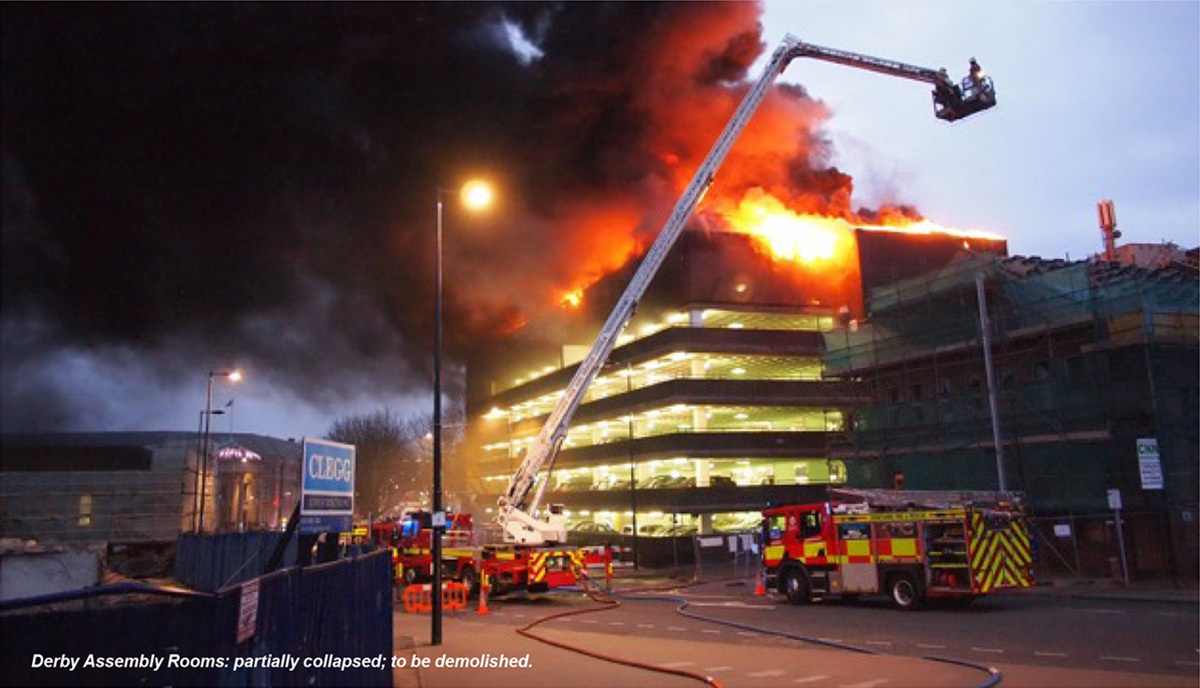
Smoke extraction systems play a crucial role in ensuring the safety of buildings.
In the event of a fire, smoke can rapidly spread, making it difficult for occupants to evacuate and for firefighters to enter the premises. This is where smoke extract systems come into play, as they are designed to remove smoke and heat from buildings, allowing for the safe evacuation of occupants and providing easier access for emergency responders.
In this article, we will delve into the fundamentals of smoke extraction systems, discussing their importance, requirements, components, design considerations, types, installation, maintenance, and the benefits they bring to modern buildings.
The hidden dangers of ignoring smoke control system repairs
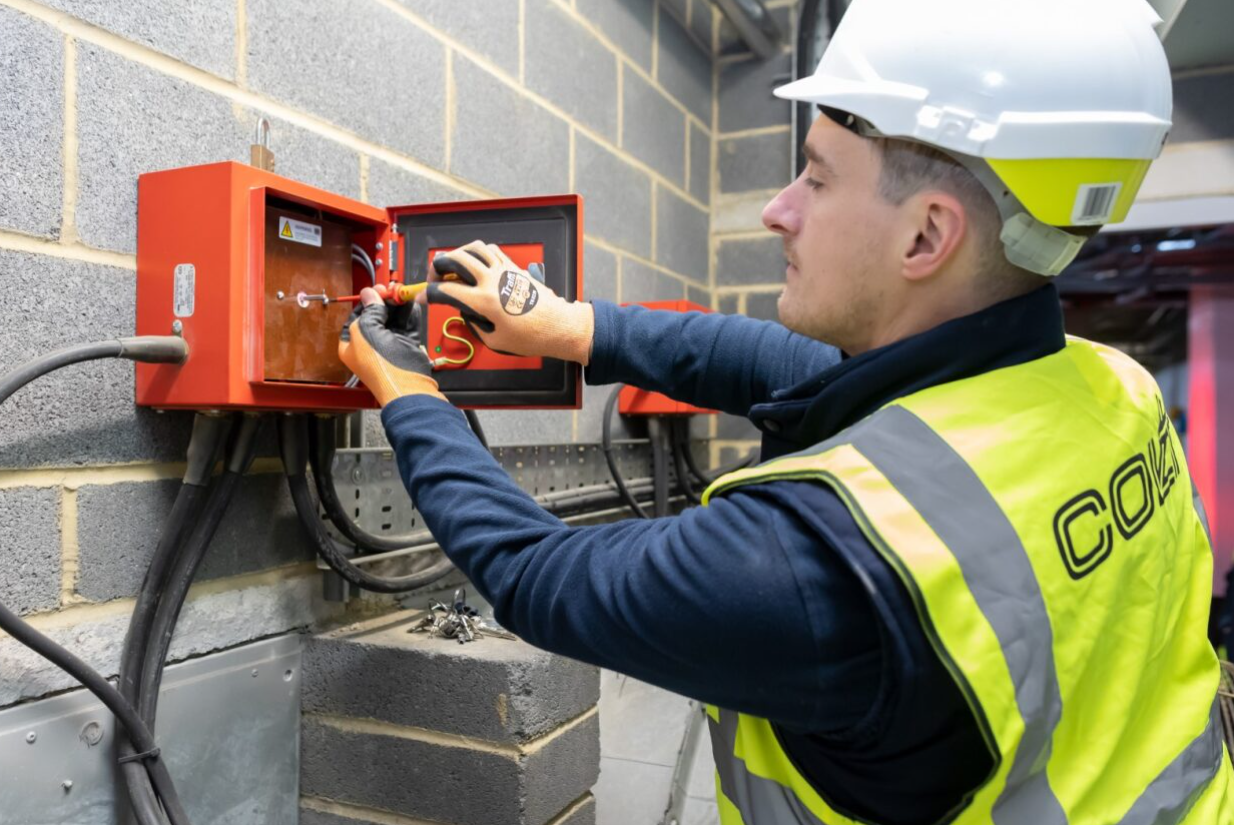
As a responsible building manager, ensuring the safety of your occupants should be your top priority. However, one crucial aspect of building safety that is often overlooked is the maintenance and repair of smoke control systems – as these systems are often hidden in walls and ductwork, they are frequently forgotten. Due to patchy record-keeping, some building managers may not even realise that they have these types of systems installed in their buildings and therefore inadvertently overlook their maintenance and repair.
Smoke ventilation systems are installed in a wide range of building types (most typically multi-storey and large, open-plan single-storey) and are designed to protect lives and property in the event of a fire - ignoring their maintenance can lead to catastrophic consequences.
Smoke ventilation systems are used to remove heat and smoke from buildings during a fire. They keep escape routes clear for people evacuating the building and also make access routes into the building safer for the firefighting service and first responders. This enables them to reach those in need and the source of the fire more quickly.
In this article, we'll explore the hidden dangers of neglecting smoke control system repairs and why proactive maintenance is essential for any building.
An architect’s guide to compliant smoke control design for high-rise residential buildings.

As an architect, it is crucial to stay up to date with the latest legal requirements to ensure the safety and well-being of occupants in high-rise residential buildings. One critical aspect of building safety is smoke ventilation, which plays a vital role in fire prevention and evacuation procedures. In this blog, we will outline the current legal requirements for smoke control in residential buildings, including the latest updates in the Building Safety Act.
Useful resources

Spare parts
Need smoke control or ventilation system spare parts fast? Our emergency spare parts and service team have got you covered. Talk to our team today about your requirements.

Whitepapers
Colt whitepapers provide comprehensive information on many industry topics. These documents are an ideal introduction to interesting and hotly debated topics.
-
Smoke Control -
Climate Control -
Louvre -
Service